 Sonntag, 14. Juni 2026, 17:30 Uhr ♦ Rokokofestsaal im Schaezlerpalais, Maximilianstraße 46, 86150 Augsburg ♦ Musik von Johann Dowland (zum 400 Todesjahr), Giovanni Girolamo Kapsberger, Elisabetta da Gambarini, Heinrich Schütz, Johann Jakob Froberger und Georg Friedrich Händel ♦ Ausführende: Palestra Musica mit Robert Crowe, Sopran; Jane Berger, Barockvioline; Angelika Radowitz, Bassdulcian; Thomas Boysen, Theorbe, Michael Eberth, Cembalo ♦ weitere Informationen unter FAMA-Augsburg
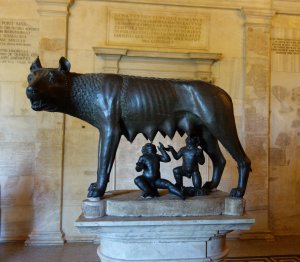
Wer versteht die Italiensehnsucht besser als die Deutschen? Ursprünglich als Bildungsreise für Adlige, als „Grand Tour“, verpflichtend für alle, die etwas auf sich hielten, wurde die Italiensehnsucht schon lange vor Goethes Italienischer Reise zum Topos für Bildung und das Land nach und nach zum uneingeschränkten Reiseziel für Malerinnen, Bildhauer, Musikerinnen und Gelehrte. Die einen beließen es bei einer Reise, die anderen besuchten das Land mehrmals. Diejenigen, die zurückkehrten, prägten und bereicherten den Stil der Kunst ihres Heimatlandes nachhaltig.
Programm
Giovanni Battista Riccio (vor 1609 – nach 1620)
Iubilent omnes (aus Il terzo libro delle divine lodi musicali […] a una 2.3.4. stromenti, Venezia 1620)
Hans Judenkünig (um 1450 – 1526)
Wo sol ich mich hinkehren (aus Utilis compendiaria introductio, Wien 1523)
John Dowland (1563 – 1626)
Lachrimae Pavana für Laute (überliefert in vielen verschiedenen Tabulaturen)
John Dowland
Come again (aus The Firste Booke of Songes, London 1597)
In Darkness (aus A Musicall Banquet [by Robert Dowland], London 1610)
Heinrich Schütz (1585 – 1672)
Ich will den Herren loben allezeit, SWV 306 (aus Anderer Theil Kleiner Geistlichen Concerten …, Dresden 1609)
Johann Jakob Froberger (1616 – 1667)
Toccata in a, FWV 112 (aus Libro Quarto, 1656)
Georg Friedrich Händel (1685 – 1759)
Lascia ch’io pianga (aus Rinaldo, HWV 7, 1711)
Elisabetta de Gambarini (1730 – 1765)
Behold, and listen (aus Op. 2 Lessons for the Harpsichord, intermix’d with Italian and English Songs, 1748)
Nicola Matteis (um 1652 – um 1703/1713)
Fantasia – Un poco di maniera Italiana – Aria Ridicola – Aria – Prestissimo
(aus Ayrs for the Violin – The Second and The Third Part, ca. 1676/ca. 1685)
Georg Friedrich Händel (1685 – 1759)
Ombra mai fu (aus Serse, HWV 40, 1738)
Georg Friedrich Händel (1685 – 1759)
Alleluia in d-Moll (HWV 272)
Nicolaus à Kempis (1600 – 1676)
Symphonia à 2, op.3/18 für Violine, Baßdulcian und Basso continuo
Henry Carey (um 1688 – 1743)
I go to the Elysian Shade: A Mad Song (aus Cantatas for A Voice with Accompanyment …The Words & Musick by Henry Carey, London 1724)
Giovanni Girolamo Kapsberger (1580 – 1651)
Toccata Arpeggiata (aus Libro primo d’Intavolatura di Chitarone, Venezia, 1604)
Claudia Francesca Rusca (1593 – 1676)
Jubilate Deo omnis terra (aus Sacri Concerti, Milano 1630)
Zuletzt aktualisiert: 10. Juni 2026 von Michael Eberth
Italienreisen
Wer versteht die Italiensehnsucht besser als die Deutschen? Ursprünglich als Bildungsreise für Adlige, als „Grand Tour“, verpflichtend für alle, die etwas auf sich hielten, wurde die Italiensehnsucht schon lange vor Goethes Italienischer Reise zum Topos für Bildung und das Land nach und nach zum uneingeschränkten Reiseziel für Malerinnen, Bildhauer, Musikerinnen und Gelehrte. Die einen beließen es bei einer Reise, die anderen besuchten das Land mehrmals. Diejenigen, die zurückkehrten, prägten und bereicherten den Stil der Kunst ihres Heimatlandes nachhaltig.
Programm
Giovanni Battista Riccio (vor 1609 – nach 1620)
Iubilent omnes (aus Il terzo libro delle divine lodi musicali […] a una 2.3.4. stromenti, Venezia 1620)
Hans Judenkünig (um 1450 – 1526)
Wo sol ich mich hinkehren (aus Utilis compendiaria introductio, Wien 1523)
John Dowland (1563 – 1626)
Lachrimae Pavana für Laute (überliefert in vielen verschiedenen Tabulaturen)
John Dowland
Come again (aus The Firste Booke of Songes, London 1597)
In Darkness (aus A Musicall Banquet [by Robert Dowland], London 1610)
Heinrich Schütz (1585 – 1672)
Ich will den Herren loben allezeit, SWV 306 (aus Anderer Theil Kleiner Geistlichen Concerten …, Dresden 1609)
Johann Jakob Froberger (1616 – 1667)
Toccata in a, FWV 112 (aus Libro Quarto, 1656)
Georg Friedrich Händel (1685 – 1759)
Lascia ch’io pianga (aus Rinaldo, HWV 7, 1711)
Elisabetta de Gambarini (1730 – 1765)
Behold, and listen (aus Op. 2 Lessons for the Harpsichord, intermix’d with Italian and English Songs, 1748)
Nicola Matteis (um 1652 – um 1703/1713)
Fantasia – Un poco di maniera Italiana – Aria Ridicola – Aria – Prestissimo
(aus Ayrs for the Violin – The Second and The Third Part, ca. 1676/ca. 1685)
Georg Friedrich Händel (1685 – 1759)
Ombra mai fu (aus Serse, HWV 40, 1738)
Georg Friedrich Händel (1685 – 1759)
Alleluia in d-Moll (HWV 272)
Nicolaus à Kempis (1600 – 1676)
Symphonia à 2, op.3/18 für Violine, Baßdulcian und Basso continuo
Henry Carey (um 1688 – 1743)
I go to the Elysian Shade: A Mad Song (aus Cantatas for A Voice with Accompanyment …The Words & Musick by Henry Carey, London 1724)
Giovanni Girolamo Kapsberger (1580 – 1651)
Toccata Arpeggiata (aus Libro primo d’Intavolatura di Chitarone, Venezia, 1604)
Claudia Francesca Rusca (1593 – 1676)
Jubilate Deo omnis terra (aus Sacri Concerti, Milano 1630)
Kategorie: Uncategorized
Jacob Paix Ballo
Valente Lo ballo
Buxheimer Orgel
Mozart L Sonate
Schubert Landler
Neueste Beiträge
Archiv
Suchen